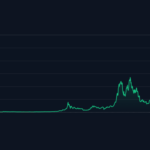

Monday, March 30, 2026 — In a move that has sent ripples through the digital asset ecosystem, MicroStrategy (MSTR), the world’s largest corporate holder of Bitcoin, has officially announced a temporary suspension of its aggressive weekly BTC acquisition strategy. For the first time since the company’s initial foray into the asset class in August 2020, Executive Chairman Michael Saylor confirmed that the firm will pivot its focus toward balance sheet optimization and the development of Bitcoin-based software applications throughout Q2 2026.
TL;DR: The Saylor Sabbatical
- The Pause: MicroStrategy has halted its automated weekly purchase program after acquiring an additional 12,000 BTC in Q1 2026.
- Current Holdings: The firm’s total treasury now stands at a staggering 352,000 BTC, representing approximately 1.7% of the total circulating supply.
- The Driver: A combination of maturing convertible senior notes and the desire to launch a proprietary Bitcoin Layer 2 enterprise suite.
- Market Impact: Bitcoin prices saw a localized 4% correction following the news, as traders re-evaluate the “Saylor Floor” that has historically supported price action.
The Shift from Accumulation to Application
For nearly six years, Michael Saylor has been the most vocal proponent of the “Bitcoin Standard.” However, the landscape in March 2026 is vastly different from the early days of the COVID-era bull run. With Bitcoin trading consistently above the $185,000 mark, the sheer cost of moving the needle on corporate holdings has increased exponentially.
During a virtual town hall earlier today, Saylor clarified that this is not a retreat, but a “tactical evolution.” He stated that the company’s treasury is now sufficiently robust to shift focus toward yield generation and utility. This pivot comes amid a broader trend of Crypto Regulation finally providing a clear framework for institutional software development on decentralized networks.
“We have achieved our initial objective of creating the ultimate Bitcoin-backed treasury,” Saylor remarked. “Our mission for the remainder of 2026 is to build the rails that allow other corporations to utilize their own Bitcoin holdings through our MicroStrategy Lightning enterprise tools.”
Managing the Debt Wall
A significant factor in the decision to pause buying is the looming maturity of several tranches of convertible debt issued between 2021 and 2024. As these notes approach their due dates, MicroStrategy’s CFO, Phong Le, has emphasized the need for liquidity to manage potential redemptions or refinancing in a high-interest-rate environment.
Unlike previous years where the company frequently issued new shares to buy BTC, the current MSTR stock premium has stabilized. This makes the “infinite money loop” of share issuance for BTC less accretive for existing shareholders than it was during the Bitcoin ETF Guide frenzy of 2024.
MicroStrategy Bitcoin Acquisition Comparison (2024–2026)
| Period | BTC Acquired | Avg. Purchase Price | Cumulative Holdings |
|---|---|---|---|
| Full Year 2024 | 58,400 BTC | $62,500 | 252,220 BTC |
| Full Year 2025 | 88,000 BTC | $112,000 | 340,220 BTC |
| Q1 2026 | 11,780 BTC | $178,500 | 352,000 BTC |
| Q2 2026 (Est.) | 0 BTC | N/A | 352,000 BTC |
Institutional Implications and the ‘Saylor Floor’
Market analysts at Bloomberg Markets suggest that the pause might remove a psychological safety net for the market. The “Saylor Floor”—the belief that MicroStrategy would always be there to buy any significant dip—has been a cornerstone of retail and institutional confidence.
However, some argue that the market has matured beyond needing a single corporate savior. The rise of Layer 2 Scaling solutions and the integration of Bitcoin into sovereign wealth funds in the Middle East and Latin America have diversified the buyer base.
“Michael Saylor pausing his buys is a sign of corporate maturity, not a lack of conviction. When your treasury is measured in the hundreds of thousands of BTC, your primary risk is no longer ‘not having enough,’ but rather the operational security and regulatory compliance of that massive hoard.”
— Sheila Warren, CEO of the Crypto Council for Innovation
Focus on Bitcoin Development
MicroStrategy is reportedly redirecting its R&D budget toward MicroStrategy Orange, a decentralized identity (DID) platform built on the Bitcoin blockchain. By leveraging the security of the Bitcoin network without needing to buy more tokens, the company aims to transform from a “proxy Bitcoin ETF” into a true Bitcoin technology powerhouse.
This move aligns with the increasing interest in DeFi Yield Farming on Bitcoin, which has seen a massive uptick in 2026 following the successful implementation of the Covenant upgrades on the mainnet.
“We are entering the ‘Builders Era’ of Bitcoin. For years we stacked sats; now we stack code. The transition from passive holder to active developer is the natural progression for any entity that truly understands the value of the network.”
— Jack Dorsey, Founder of Block Inc. (formerly Square)
Key Takeaways
- No Selling: MicroStrategy has reiterated that they have no intention of selling any of their 352,000 BTC. The pause is strictly on new acquisitions.
- Software First: The company will focus on its SaaS (Software as a Service) roots, integrating Bitcoin functionality into its existing business intelligence tools.
- Debt Management: Paying down or refinancing high-yield notes is a priority for the 2026 fiscal year according to SEC Filings.
- Market Maturity: The Bitcoin market is now deep enough to absorb the loss of a major recurring buyer without a catastrophic price collapse.
Conclusion
Michael Saylor’s decision to pause weekly Bitcoin buys marks a pivotal moment in the history of corporate crypto adoption. While bears may view this as a sign of exhaustion, long-term proponents see it as the professionalization of a Bitcoin-centric business model. By shifting from a simple accumulation strategy to one focused on building utility and managing corporate debt, MicroStrategy is setting a new blueprint for how companies can survive and thrive in a post-hyperbitcoinization world.
For more on how institutional shifts affect the market, see our analysis on Altcoin Season and its relationship to Bitcoin dominance.
Disclaimer: The information provided in this article is for informational purposes only and does not constitute financial, investment, or legal advice. Crypto assets are highly volatile; always conduct your own research before making investment decisions.