

Can You Mine Solana?
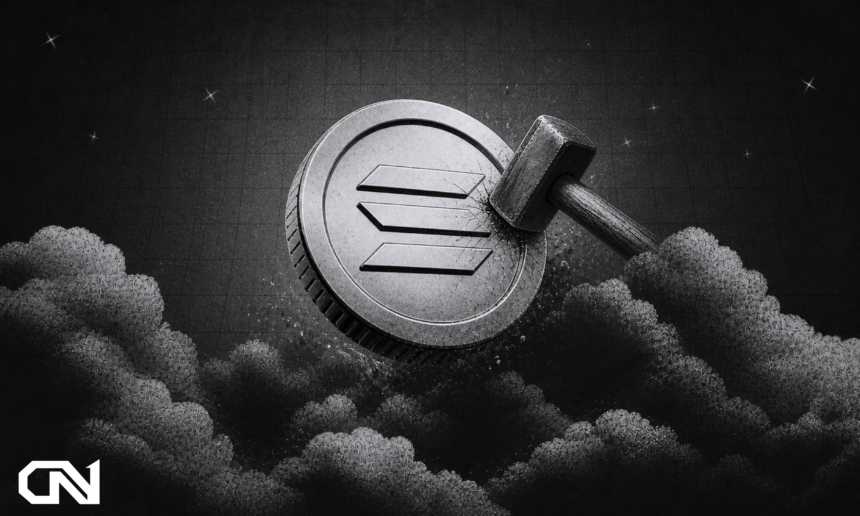
No, you cannot mine Solana in the same way people mine Bitcoin.
- Can You Mine Solana?
- Why You Cannot Mine Solana
- Solana Uses Staking, Not Mining
- What Proof of History Has to Do With It
- Can You Mine Solana on a Phone?
- Can You Mine Solana With a GPU?
- Can You Cloud Mine Solana?
- How to Earn SOL Without Mining
- Native SOL Staking
- Exchange Staking
- Running a Solana Validator
- Staking Rewards Are Not Guaranteed
- Mining vs Staking: Which Is Better?
- Can You Earn Free SOL?
- Common Solana Mining Scams
- How to Check If a SOL Earning Platform Is Legit
- Best Answer for Beginners
- Final Verdict
- FAQs
- Disclaimer
Solana does not use Proof of Work mining. There are no SOL mining rigs, no GPU mining setup for SOL, and no hashpower race where miners compete to solve cryptographic puzzles. The Solana network relies on validators and staking instead. Users who want to earn from SOL usually do it by staking, not mining.
That answer sounds simple, but the confusion is understandable. A lot of people still use “mining” as a general word for earning crypto. In Bitcoin, mining is real. In Solana, the closest equivalent is staking SOL or running validator infrastructure.
The better question is, not only can you mine Solana? But also, what is the safe way to earn SOL if mining is not possible?
That is where staking, validators, and basic scam awareness matter.
Why You Cannot Mine Solana
Solana is not built around Proof of Work.
Bitcoin miners use specialized machines to compete for block rewards. Their hardware performs intensive calculations, and the winning miner adds a block to the chain. That model requires electricity, mining equipment, cooling, and constant competition.
Solana works differently. Its network uses validators and staking. Solana’s staking documentation explains that SOL holders can stake tokens by delegating them to validators, and those validators process transactions and run the network. The more stake delegated to a validator, the more often that validator may be chosen to write new transactions to the ledger and earn rewards.
So if someone asks, “Can you mine Solana with a GPU?” the answer is no.
A GPU can be used for many things in crypto, but it does not let you mine native SOL. There is no official Solana mining software that turns computer power into newly mined SOL.
You might also need a comparison between River and Coinbase.
Solana Uses Staking, Not Mining
Solana rewards network participation through staking.
When users stake SOL, they delegate tokens to validators. The validator does the technical work of processing transactions and helping maintain the network. The delegator keeps ownership of the SOL but assigns stake weight to a validator.
Solana’s own staking page says staking helps secure the network and can earn rewards. It also explains that validators charge a commission, which is taken as a percentage of staking rewards.
That is the core difference:
| Bitcoin | Solana |
|---|---|
| Uses mining | Uses staking |
| Miners compete with hardware | Validators process transactions |
| Proof of Work | Proof of Stake with Proof of History |
| Rewards go to miners | Rewards go to validators and delegators |
| Mining requires ASICs or hardware | Staking requires SOL and a validator |
For most regular users, staking is far more realistic than running mining equipment.
What Proof of History Has to Do With It
Solana is often described through Proof of History, which creates extra confusion.
Proof of History is not mining. It is part of Solana’s technical design for ordering events. Solana’s Proof of History explanation says PoH allows timestamps to be built into the blockchain itself, giving the network a way to prove when events occurred without relying on an external clock.
That does not mean people mine SOL by creating timestamps.
Solana still depends on validators to process transactions and participate in consensus. Proof of History helps the network order activity efficiently, while staking helps determine validator participation and rewards.
In plain language: Proof of History helps Solana organize time. Staking helps secure the network. Neither one turns Solana into a mineable coin.
Can You Mine Solana on a Phone?
No.
A phone app claiming to “mine Solana” should be treated with caution. Solana does not support native mobile mining. If an app says it mines SOL in the background, it is probably doing one of three things:
- Showing fake rewards
- Running a points system that is not real SOL
- Trying to collect users, clicks, deposits, or wallet access
There are legitimate Solana wallets and apps, but they do not mine SOL. They may let users buy, send, receive, stake, or interact with Solana dApps.
If the app asks for a seed phrase, private key, or deposit before releasing rewards, leave immediately.
Can You Mine Solana With a GPU?
No.
A GPU cannot mine SOL because Solana does not have Proof of Work mining. GPU mining works only for coins whose networks allow mining through computational work. Solana is not one of them.
Some websites may advertise “Solana mining software” or “SOL cloud mining.” That wording is usually misleading. At best, the platform may be mining another asset and paying users in SOL. At worst, it may be a fake mining platform.
The CFTC and SEC have warned about fraudulent digital asset websites that claim to run advisory, trading, or mining businesses while promising high guaranteed returns with little or no risk. Some fraudsters specifically claim to invest users’ money in crypto mining farms.
A real Solana earning method should not need fake mining language.
Can You Cloud Mine Solana?
Native Solana cloud mining does not exist.
Cloud mining usually means paying a company to rent mining power. Since SOL is not mined, a “Solana cloud mining” offer needs serious scrutiny.
The platform may claim:
- Daily SOL income
- Guaranteed returns
- No-risk mining packages
- Locked plans with high yields
- Referral bonuses for recruiting users
Those are red flags.
The FTC warns that scammers often promise free money or guaranteed crypto returns, and says if a company or person promises profit, that is a scam.
If a service says it can mine Solana directly, ask a basic question: where is the mining happening if Solana has no mining mechanism?
Most users will not get a clear answer.
How to Earn SOL Without Mining
The main legitimate way to earn SOL from SOL itself is staking.
There are several routes:
- Native staking through a wallet
- Staking through a supported exchange
- Running validator infrastructure
- Participating in the Solana ecosystem through rewards, airdrops, or bounties
Each method has different risk and effort.
Native SOL Staking
Native staking is the cleanest route for users who already hold SOL.
Phantom’s staking guide explains that with native staking, users delegate SOL directly to a validator on the Solana network. The SOL stays in a stake account, remains under the user’s control, and rewards are paid in SOL to the stake account.
That matters because native staking is not the same as handing money to a random website.
The normal flow is:
- Hold SOL in a Solana wallet
- Choose native staking
- Select a validator
- Delegate SOL
- Wait for activation
- Earn rewards if the validator performs well
Users should still research validators. Validator uptime, commission, performance, and reputation affect rewards and reliability.
Explaining about Robthecoins Blockchain.
Exchange Staking
Some users stake through centralized exchanges because it feels easier.
The benefit is convenience. The exchange handles the technical process.
The downside is custody. If SOL is held on an exchange, the user depends on that platform’s account security, withdrawal rules, and operational stability.
Exchange staking may be fine for beginners, but it is not the same as self-custody. Users should read fee disclosures, staking terms, lockup periods, and withdrawal policies before using it.
Running a Solana Validator
Running a validator is not mining, but it is the most technical way to participate in the network.
Validators process transactions, vote on blocks, and help secure Solana. Solana’s staking FAQ says validators play a key role in maintaining and securing the chain, including processing incoming transactions and voting on blocks.
This route is not for casual users.
A validator operator needs technical skill, reliable infrastructure, maintenance time, monitoring, and enough delegated stake to compete meaningfully. Running a validator can also involve operating costs.
For most people searching can you mine Solana, running a validator is probably more work than they expect.
Staking Rewards Are Not Guaranteed
Staking can generate rewards, but users should avoid treating it like guaranteed income.
Solana’s staking FAQ says returns are based on factors such as the inflation rate, total SOL staked on the network, validator uptime, and validator commission. It also notes Solana’s initial inflation rate was 8% annually, decreasing 15% year-over-year toward a long-term fixed inflation rate of 1.5%.
That means rewards can change. Validator performance can change. SOL’s market price can change.
A user may earn more SOL but still lose dollar value if SOL price falls sharply.
That is why staking should be understood as network participation, not free money.
Mining vs Staking: Which Is Better?
For Solana, staking is the only native option.
Mining is not available, so comparing mining and staking is mainly useful for understanding how different networks work.
Bitcoin mining is hardware-heavy. It favors operators with cheap electricity, specialized machines, and efficient operations.
Solana staking is asset-heavy. It requires SOL, validator selection, and basic risk management.

For a normal user, staking SOL is simpler than mining Bitcoin. There is no need to buy mining machines or manage electricity costs. The trade-off is that staking requires exposure to SOL price movement.
Can You Earn Free SOL?
Sometimes, but not through mining.
Users may earn SOL or Solana-based tokens through:
- Airdrops
- Testnets
- Ecosystem quests
- Community bounties
- Creator campaigns
- Rewards from Solana apps
These opportunities are not guaranteed. Some are legitimate. Many are low-value. Some are scams.
The safer approach is to use a separate wallet for experiments, avoid seed phrase requests, and never pay an “unlock fee” to claim rewards.
If someone promises instant free SOL, guaranteed rewards, or “mine Solana now,” the risk is high.
Common Solana Mining Scams
The phrase “Solana mining” is often used by questionable websites because beginners search for it.
Watch for:
- “Mine SOL daily” dashboards
- Fake mobile mining apps
- Cloud mining plans paid in crypto
- Platforms promising fixed daily profit
- Wallet-draining “claim reward” links
- Telegram bots asking for deposits
- Websites using fake testimonials or fake withdrawal screenshots
The FTC warns that crypto payments are usually irreversible, and scammers often make big claims without details or explanations.
Good crypto products explain how they work. Scam products avoid clear mechanics.
How to Check If a SOL Earning Platform Is Legit
Before using any platform that claims to help you earn SOL, check:
- Does it say SOL is mined? If yes, be cautious.
- Does it explain staking, validators, or rewards clearly?
- Does it ask for your seed phrase?
- Does it promise guaranteed returns?
- Does it require a deposit to unlock rewards?
- Does it have real company details?
- Are withdrawals actually working for real users?
- Is there independent documentation?
Keep verifying above steps before any Step.
A serious Solana staking product should explain validator delegation, fees, custody, unstaking, reward timing, and risks.
A scam will usually focus on profit first and details later.
Best Answer for Beginners
If you are new and asking can you mine Solana, here is the practical answer:
You cannot mine SOL. If you already own SOL and want to earn more, learn staking. Start with a reputable wallet, understand validator selection, and keep expectations realistic.
Avoid anything using mining language unless it clearly explains that it is not mining SOL directly.
A good beginner path looks like this:
- Learn how Solana staking works.
- Use a trusted wallet or platform.
- Delegate a small amount first.
- Track rewards and validator performance.
- Learn self-custody before moving larger amounts.
Small steps are better than chasing high-yield offers.
Final Verdict
You cannot mine Solana.
Solana does not use Proof of Work, so there is no native SOL mining with GPUs, phones, laptops, or cloud mining contracts. The real earning model is staking, where SOL holders delegate tokens to validators that process transactions and help secure the network.
For most users, staking is the practical alternative. It is simpler than mining, but it still carries risks: validator performance, commission, custody choices, unstaking delays, and SOL price volatility.
The main thing to avoid is fake “Solana mining” offers. If a platform promises easy SOL income through mining, guaranteed returns, or free rewards after a deposit, treat it carefully.
The clean answer is: no mining, but you can do staking.
FAQs
- Can you mine Solana?
No. Solana cannot be mined because it does not use Proof of Work. SOL holders can stake tokens instead. - Can I mine Solana on my phone?
No. Apps claiming to mine SOL on mobile should be treated with caution. - Can I mine Solana with a GPU?
No. GPUs cannot mine native SOL because Solana does not use mining. - What is the best way to earn SOL?
The most common native method is staking SOL by delegating it to validators. - Is Solana cloud mining real?
Native Solana cloud mining is not real. Solana is not a mineable Proof-of-Work coin.
Disclaimer
This content is for informational and educational purposes only and does not constitute financial, investment, legal, or tax advice. Cryptocurrency markets are volatile. Always do your own research and consult a qualified professional before making financial decisions.